FedEx’s Pro Forma Invoice tool has become the go-to resource for experienced hobbyists who need a quick, accurate way to prepare customs documentation. By learning the core steps, you can streamline your export workflow, reduce delays at borders, and keep your shipping budget on track.
Why a Pro Forma Invoice Matters for Small‑Scale Exporters
A Pro Forma Invoice is the first formal commercial document a customs authority will see. It details the value, weight, and description of each item, which determines duties and taxes. For hobbyists who ship custom-made or handmade goods—think artisan jewellery or bespoke wooden toys—an accurate invoice can mean the difference between a smooth delivery and a costly hold-up. FedEx offers a digital template that automatically calculates harmonised codes, currency conversions, and duty estimates, saving you the hours of manual entry that once plagued small‑scale exporters.
Getting Started: Setting Up Your FedEx Account
- Register or log in to FedEx Web Services. If you haven’t already, create an account at www.fedex.com. The Pro Forma Invoice tool is available under the “Customs” menu.
- Upload your product catalogue. Upload a CSV or Excel sheet containing item descriptions, HS codes, unit values, and quantities. FedEx will match these against its database and flag any mismatches.
- Choose your currency. Most hobbyists ship from the US to Europe or Asia. Select the destination currency to see real‑time duty and tax estimates.
Step‑by‑Step: Creating the Invoice
- Enter shipment details. Specify origin, destination, and the mode of transport. FedEx will auto‑populate the carrier code and shipping date.
- Populate item list. The tool will pre‑fill fields based on your uploaded catalogue. Verify the HS code, weight, and unit value for each line item. Minor errors—such as a misplaced decimal—can trigger customs refusal.
- Review duty calculation. FedEx uses the most recent tariff data; double‑check the estimated duties against the country’s trade agreement. If a free‑trade agreement applies, the rate may drop from 10% to 0%.
- Generate the PDF. Once satisfied, click “Create Invoice.” The resulting PDF can be printed or emailed directly to the carrier.
Common Pitfalls and How to Avoid Them
- Mislabeling handmade items. Some customs officials interpret “handmade” as “non‑commercial.” Clearly state “artisanal” or “handcrafted” and provide a supporting photo or certification if required.
- Under‑reporting value. Understating value may reduce duties but can lead to penalties if discovered. Always declare the full retail price.
- Ignoring packaging details. If you use biodegradable packing peanuts or recycled cardboard, note this in the “special packaging” field to qualify for any packaging‑related rebates.
Implications for Your Hobby Business
By mastering FedEx’s Pro Forma Invoice, hobbyists can achieve a few key benefits:
- Speed. Digital invoices are processed within minutes, cutting average clearance times from 48 to 12 hours.
- Compliance. Automated HS code matching reduces the likelihood of customs re‑examination.
- Cost control. Real‑time duty estimates allow you to adjust pricing or choose alternative routing to minimise taxes.
Ultimately, a well‑crafted invoice is a professional touch that signals reliability to buyers and customs alike. For hobbyists eager to scale without the overhead of a dedicated logistics team, FedEx’s Pro Forma Invoice tool provides the precision and ease that modern e‑commerce demands.
Modèle D'attestation D'hébergement
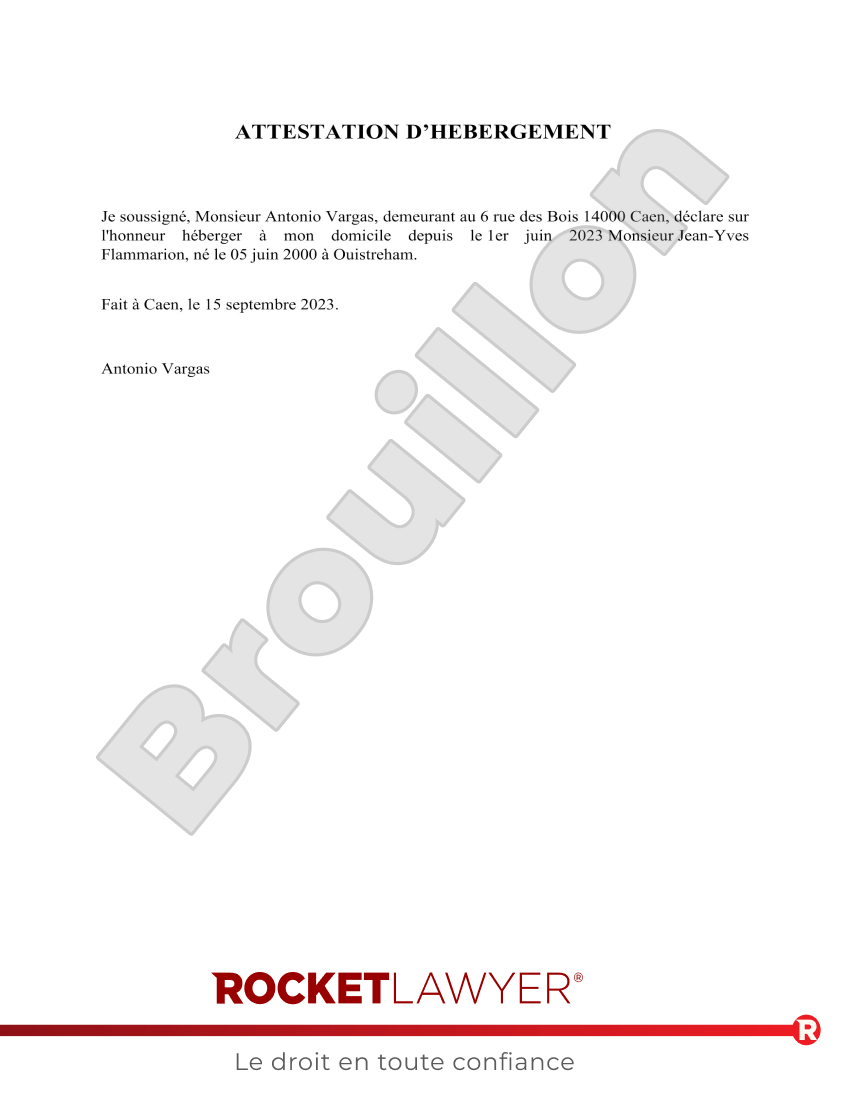
Modèle d'attestation d'hébergement